Using Volatility Filters to Protect Your Trading Account: A Practical Approach for Traders
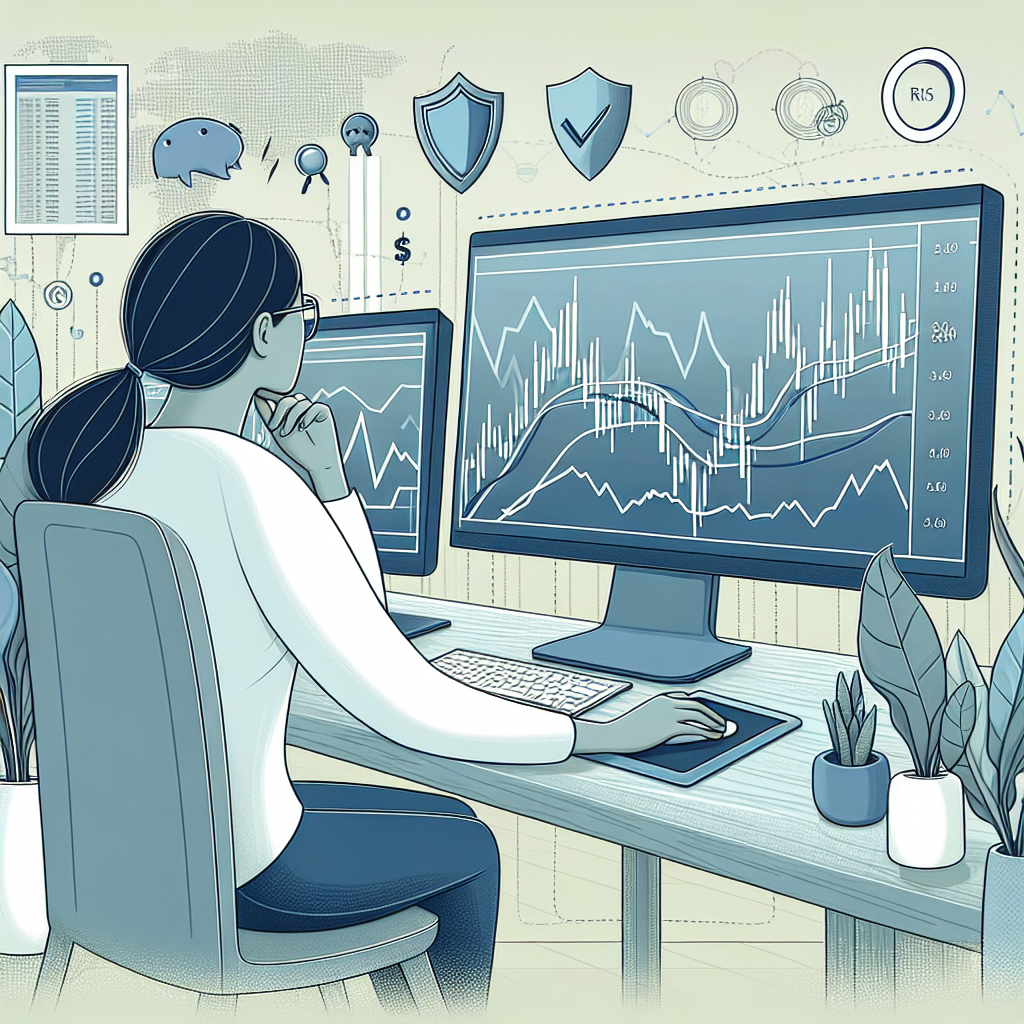
Navigating the forex market can be daunting, especially for risk-averse traders who seek steady, controlled growth. The unpredictability of market movements can lead to significant losses, especially for those using leverage. A solid strategy to mitigate this risk is employing volatility filters—tools that help identify periods of high market activity and adjust your trading strategy accordingly. This approach not only protects your account but also fosters a more confident trading environment.
Understanding Volatility
Volatility refers to the rate at which the price of a financial asset increases or decreases for a given set of returns. For forex traders, high volatility often indicates increased risk. However, understanding and utilizing volatility can also lead to profitable trading opportunities. The key is to implement volatility filters to determine when to enter or exit trades based on current market conditions.
What are Volatility Filters?
Volatility filters act as protective measures by screening out trades during periods of excessive price movements. These filters can take various forms, including indicators like Average True Range (ATR), Bollinger Bands, or even simple point-based systems. By establishing a baseline for acceptable volatility, traders can avoid entering trades during turbulent market conditions that might jeopardize their capital.
Practical Application of Volatility Filters
1. Set Your Parameters:
Start by determining the acceptable level of volatility for your trading strategy. You can use historical data to analyze price movements and identify what constitutes “normal” volatility for the currency pairs you trade. Setting a threshold based on your risk tolerance allows you to make informed decisions.
2. Incorporate Indicators:
Using technical indicators like the ATR can provide a clearer picture of market volatility. For example, if the ATR reading for a currency pair exceeds a specified limit, consider reevaluating your decision to trade that pair at that time. By incorporating such indicators into your trading platform, you create an automated alert system that keeps your account protected.
3. Adjust Your Trading Plan:
When volatility is high, you might need to adjust your trading approach. This may involve widening your stop-loss orders to give your trades room to breathe or taking a step back to reevaluate your strategies. Keeping an adaptable trading mentor allows you to remain nimble while maintaining your cautious approach.
Benefits of Using Volatility Filters
- Reduced Emotional Stress: Knowing that you have built-in measures to safeguard your capital leads to more decisive and rational trading decisions.
- Increased Discipline: Volatility filters encourage a disciplined approach by encouraging you to wait for ideal trading conditions instead of succumbing to impulsive decisions during volatile periods.
- Enhanced Risk Management: By avoiding trades in high-volatility environments, you reduce the risk of unexpected price swings that can quickly deplete your trading account.
Conclusion
Implementing volatility filters provides a practical and effective way to protect your trading account. As you refine your trading strategies, consider incorporating these tools as part of your broader risk management plan. For more insights and strategies on managing risk in forex trading, visit ForexRiskSmart.com, your partner for navigating the complexities of the forex market with confidence. By understanding and utilizing volatility filters, you can enhance your trading journey, making it safer and more rewarding.